



Community Medicine
Doctors
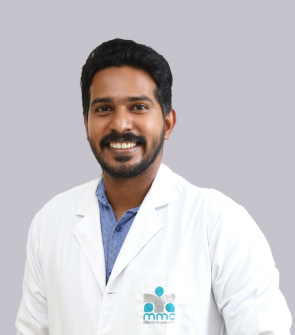
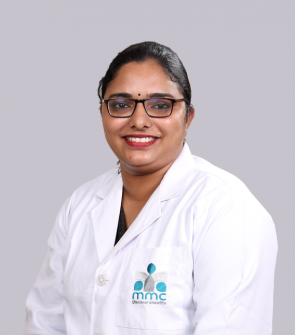
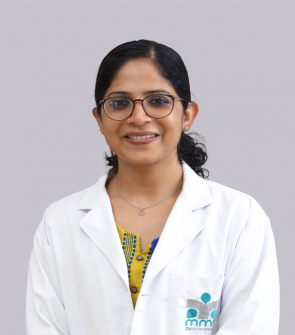
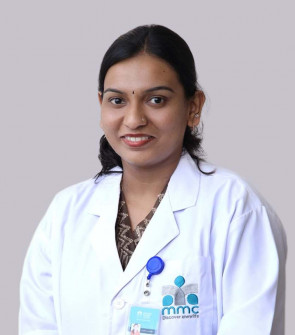

About the Department
Community medicine as a discipline is a branch of medicine which deals with the study of health and disease in the population of defined communities in order to identify their health needs and to plan, implement and evaluate health programs to meet these needs. Community medicine is a new branch in medicine and sometimes considered synonymous with preventive and social medicine (PSM) and community health (CH). The primary objective of community medicine is the prevention of disease and promotion of health. It aims to provide comprehensive health services ranging from preventive, promotive, curative and rehabilitative services. This approach in community medicine is mainly derived from the older disciplines of public health and preventive medicine. Approach to community medicine involves the teaching and learning of various concepts, subjects and disciplines including determinants of health and disease, epidemiology, biostatistics, environmental health, nutritional health, demography, occupational health, social sciences, health information and communication, health care management, health systems and organizations, primary health care, prevention and control of communicable and non-communicable diseases, preventive obstetrics and paediatrics and national health programs. The faculty of the department undertakes quality teaching and skill-based training to students based on the prescribed curriculum incorporating traditional teaching
methods, community based learning, case studies, demonstrations, problem-based learning, projects, self-learning and innovative approaches. The department runs rural and urban health training centres and networks with government agencies, institutions and voluntary organizations to facilitate imparting of quality medical education and training to students, and to provide need-based community based health care services.
MISSION
Overall department mission
To promote health, prevent and manage the disease and maintain the health of the community through quality medical education, primary health care, outreach services and research
The mission of undergraduate teaching
To develop a well-rounded professional demonstrating knowledge and competence in primary health care, health promotion, disease prevention and its management and maintenance of the health of people.
Clinical Focus
Overview of the UG programme
The Department of Community Medicine plays a pivotal role in shaping socially responsible, community-oriented, and evidence-driven medical professionals. Our undergraduate training programme aims to impart knowledge, skills, and attitudes essential for understanding the health needs of the community, identifying determinants of disease, and applying preventive and promotive strategies at the population level.
Key Components of the Undergraduate Training
1. Visits to Places of Public Health Importance
Students are regularly taken to various public health institutions and facilities to gain first-hand understanding of the functioning of the health system. These include:
-
Primary Health Centres and Community Health Centres
-
District and Taluk Hospitals
-
Integrated Child Development Services (ICDS) Projects and Anganwadi Centres
-
Water purification plants, milk dairies, waste management units, and vector control centres
-
Urban health centres, slums, and rural field practice areas including fishermen colony.
These visits help students link theoretical concepts with practical realities of health service delivery.
2. Undergraduate Research Project
Each MBBS student undertakes a research project under the mentorship of a faculty member from the department. Students are trained in study design, data collection, statistical analysis, and scientific writing.
The research component fosters critical thinking and introduces students to the principles of epidemiological research and evidence-based medicine.
3. Publications and Conference Presentations
Completed undergraduate research projects are encouraged for publication in peer-reviewed journals and presentation at state and national conferences. Our students have consistently showcased their work at prestigious forums such as IAPSM, IPHA, and other academic platforms, bringing laurels to the institution.
4. Household Surveys and Community-Based Learning
As part of the field activities, students participate in household surveys in both rural and urban communities. They collect and analyze data on demographic, socio-economic, and health indicators, which helps them understand disease patterns, health-seeking behavior, and determinants of health in real-life settings.
5. Seminar Presentations
Regular seminars are conducted by students on current public health topics. These interactive sessions strengthen their communication skills, promote teamwork, and enhance their understanding of key epidemiological and social concepts.
6. Clinico-Social Case Presentations
Clinico-social case discussions bridge clinical and community perspectives. Students present cases with social, environmental, and behavioral dimensions, emphasizing the holistic approach to patient care and community health.
7. Practical and Demonstration Classes
Practical sessions are designed to train students in epidemiological methods, biostatistics, health education techniques, and disease surveillance. Hands-on training includes preparation of health education materials, data analysis, and exposure to public health software tools.
8. Quiz Competitions and Academic Enrichment Activities
The department organizes regular quiz competitions, debates, and interactive sessions to encourage active learning and stimulate interest in public health. Students also participate in intercollegiate competitions, enhancing their academic and analytical capabilities.
Through these diverse academic and field-based activities, the Department of Community Medicine strives to create compassionate doctors who are scientifically competent, socially sensitive, and committed to community health.
PG Programme
Overview of the PG programme
Programme Objectives
- To create a skilled cadre of medical professionals having expertise in application of principles of Public Health, Community Medicine and applied epidemiology, contributing meaningfully in formulating National Health Policies & Programmes with a systems approach for overall human development.
- To standardize the teaching & training approaches at post- graduate level, for Community Medicine.
- To enable the formulation of research questions, do literature search, conduct study with an appropriate study design and study tool; conduct data collection and management, data analysis and report.
Academics
-
Postings
- Rural Health Training Centre (RHTC)
- Urban Health Training Centre (UHTC)
- Preventive clinic
- District Residency Programme (DRP)
- Directorate of Health Services (DHS), Thiruvananthapuram
- Postings in other departments of the Institution (General Medicine, Dermatology, OBG, Pediatrics, Microbiology)
- Journal club
- Seminar presentations
- Clinico-Social case discussion
- Undergraduate classes
- In-charge of undergraduate clinical posting batches under faculty guidance
- Guide undergraduate students for research under faculty guidance
-
Master class
Research & Dissertation
-
Every postgraduate undertakes original research approved by IEC
-
Training includes protocol development, data management, advanced statistical analysis & manuscript writing
-
Emphasis on publication peer reviewed journals & conference presentations
Field based training activities
-
Community based screening camps
-
Health Education campaigns
-
Surveillance & outbreak investigation
-
School Health Programme
-
Family Adoption Programme
-
Collaboration with district health system & National Health Mission in the implementation of National Programmes
Infrastructure
- The Rural health centre at Chakkitapara
- The Rural health training centre at Nandhi
- The urban health training centre at Koilandy
- Lecture gallery
- Demonstration rooms
- Museum with specimens and models
- Library facility
- Computer systems for data management
- Vehicles for field visits and community health care
- Research Lab
-
Rural Health Training Centre
Sahani Hospital
Other Activities
OUTREACH ACTIVITIES
1-Health Checkup Camps/Medical Camps :
2-Health Surveys/Household Surveys: Areas Covered Under Surveys: Chakkitapara, Koilandy, Nandi, Muthukad, Panangad, Food Handlers Survey Mmch, Leprosy Detection Camp At MMCH
3- School Health Services :
4-NCD(Noncommunicable Diseases) / Preventive Clinics/ Screening Camps/IDSP(Integrated Diseases Surveillance Project )
5- Nutritional And Health Assessment For Under-five Children
6-Health Education-I EC Activity (Information, Education And Communication )
7-AIDS Day Awareness Programme 2021 View Report
8- Balussery Taluk Health Fitness Camp - 8th January 2022 View Report
9- Activities during March and April 2022 View
ACHIEVEMENTS
STUDENT RESEARCH PROJECTS(2019-2020)
| Harshitha H(2018 BATCH) 4th Term Medical student | ICMR STS | Short Term Studentship Program (STS-2020). |
| Sreehari Suresh, Aswin Gopi, Sruthi VP, Rajasree Baburaj, DevisreeVK and (2019 Batch)First Year Medical students. | YIP(Young Innovator’s Programme) | Kerala Development and Innovation Strategic Council. |