

Transfusion Medicine


About the Department
The Transfusion Medicine Department exists to serve a fundamental principle: every transfusion matters. When a patient's life depends on blood, safety and reliability are non-negotiable. The department operates as a regional blood centre serving hospitals across Malabar, processing approximately 10,000 units of blood components annually for trauma centres, surgical suites, maternity units, cancer care programmes, and patients with chronic transfusion requirements.
Blood banking requires a commitment beyond standard practice. The department operates 24/7 to ensure that emergency blood supply never becomes a barrier to patient care. This commitment extends beyond the facility walls—it includes building voluntary donor recruitment systems, training healthcare professionals across the region, and establishing quality standards that meet international benchmarks.
Clinical Focus
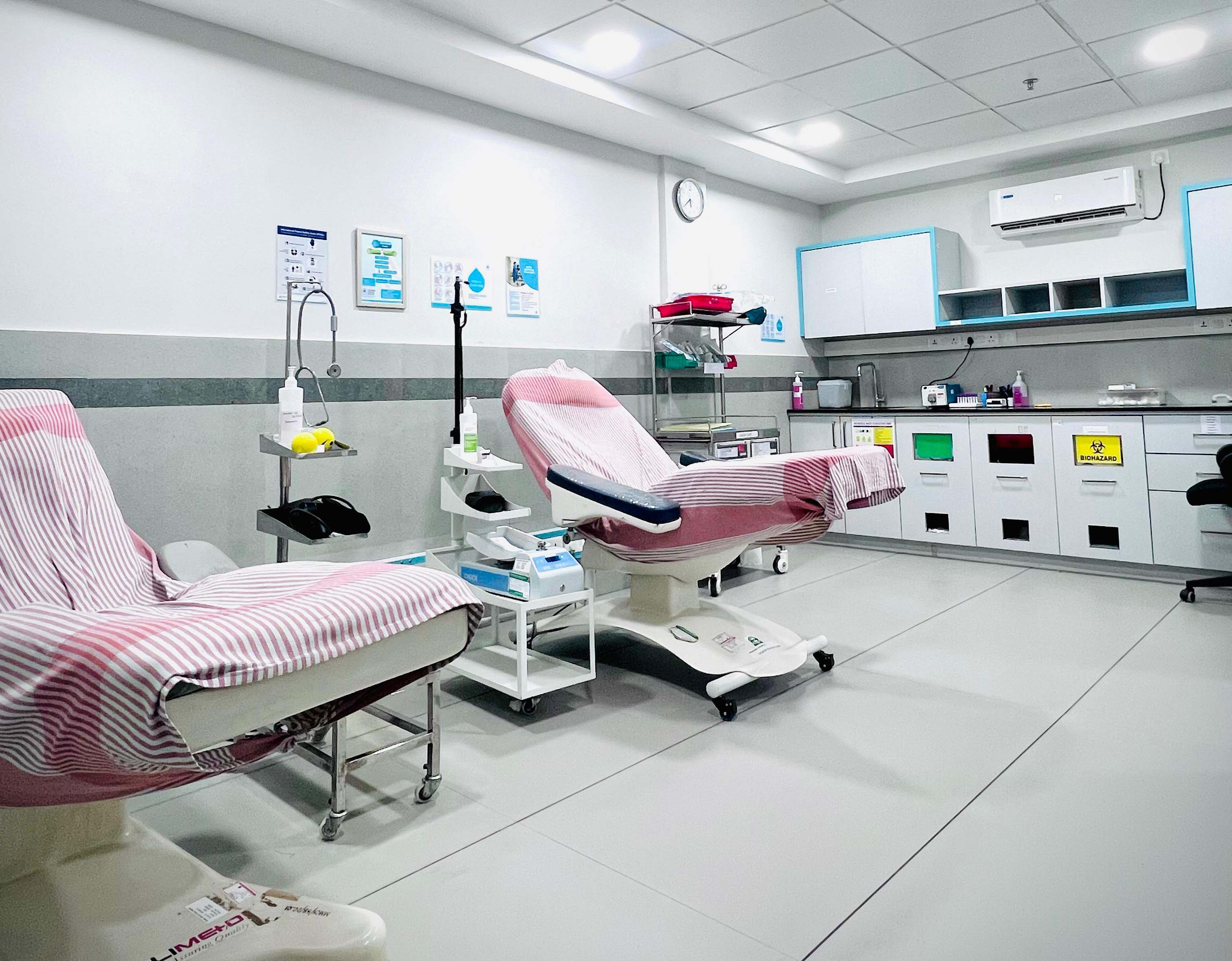
The department provides comprehensive transfusion medicine services including blood grouping, antibody screening and identification, crossmatching, blood component preparation, and therapeutics. Every patient transfusion is preceded by compatibility testing. Every unit of blood is tested for infectious diseases using CLIA-certified methods. Every transfusion reaction is investigated. This approach ensures that clinical teams across the region can make transfusion decisions with confidence in the safety and appropriateness of the blood supply.
The department also serves as a clinical consultation resource. Physicians across the region contact the department for guidance on appropriate transfusion therapy, management of transfusion complications, and safe blood use during complex clinical scenarios. Hemovigilance—the active surveillance of adverse transfusion reactions—is maintained systematically, providing data to improve transfusion safety over time.
Infrastructure
The department operates through integrated processes designed to ensure safety and traceability at every stage. Blood collection follows standardized donor screening and informed consent protocols. Testing processes employ CLIA-certified methods for infectious disease screening and quality assurance. Components are prepared through validated procedures that separate whole blood into red cells, plasma, platelets, and cryoprecipitate based on clinical need. Storage systems maintain strict temperature control monitored continuously. Inventory management uses computerized tracking to ensure rapid availability during emergencies while minimizing waste.
The facility operates under continuous quality monitoring. Temperature devices, quality control audits, transfusion reaction investigation protocols, and donor follow-up systems are not regulatory requirements but operational necessities that prevent harm.
Other Activities
Beyond transfusion services, the department engages in systematic efforts to strengthen blood safety across the region.
Voluntary donor recruitment: The department conducts blood donation awareness camps three times monthly in remote areas, reaching communities without regular access to blood banking services. These camps combine blood collection with education about voluntary donation, addressing donor concerns and building trust between the community and the institution. This approach builds sustainable voluntary donor supply rather than depending on replacement donors.
Training, Research and capacity building: Healthcare professionals across the region receive training in safe transfusion practice, recognition and management of transfusion reactions, appropriate use of blood components, and quality systems in blood banking. These programmes ensure that blood use improves beyond the department itself, contributing to safer transfusion practice across Malabar's healthcare system.
Consultation and partnership: Hospitals, NGOs, and healthcare facilities across the region can partner with the department for outdoor blood donation camps, staff training, troubleshooting of transfusion management problems, and expert consultation on blood inventory, donor recruitment, or transfusion safety challenges.
Stakeholder Appreciation Programme — Voluntary Blood Donation - Report
Stakeholder Appreciation Programme — Voluntary Blood Donation - Report